
Fabien Blanc Originally published in 'Conflits' magazine
A FEW GEOGRAPHICAL AND HISTORICAL FACTS
For geographers, the Great Lakes are all those of the Rift Valley [1], an area encompassing ten or so countries, from southern Africa to the southern part of the Horn.-It is far too vast to analyse geopolitically as if it were a single entity. The expression ‘Great Lakes’ will be used here to describe only the area on either side of the borders that run from Lake Albert to Lake Tanganyika: in Ituri and the two Kivus, in Burundi, Rwanda and Uganda, the issues are similar, the stakes are linked and the consequences conflictual. The sub-region is complex because it is a crossroads between Central Africa and East Africa, a crossroads that is also landlocked and dependent on the two competing corridors [2] to the north (Kampala - Nairobi - port of Mombasa [3]) and south (Kigali - Dodoma - port of Dar es Salaam [4]). Kinshasa is geographically cut off from the eastern part of its territory: to the east of the River Congo, the DRC looks out towards the Indian Ocean, its hinterland and the direction of its human and commercial flows. The vernacular language is not Lingala, but Kiswahili [5], and Goma and Bukavu are in fact much more connected to and dependent on Kampala and Kigali than on their official political capital [6]. 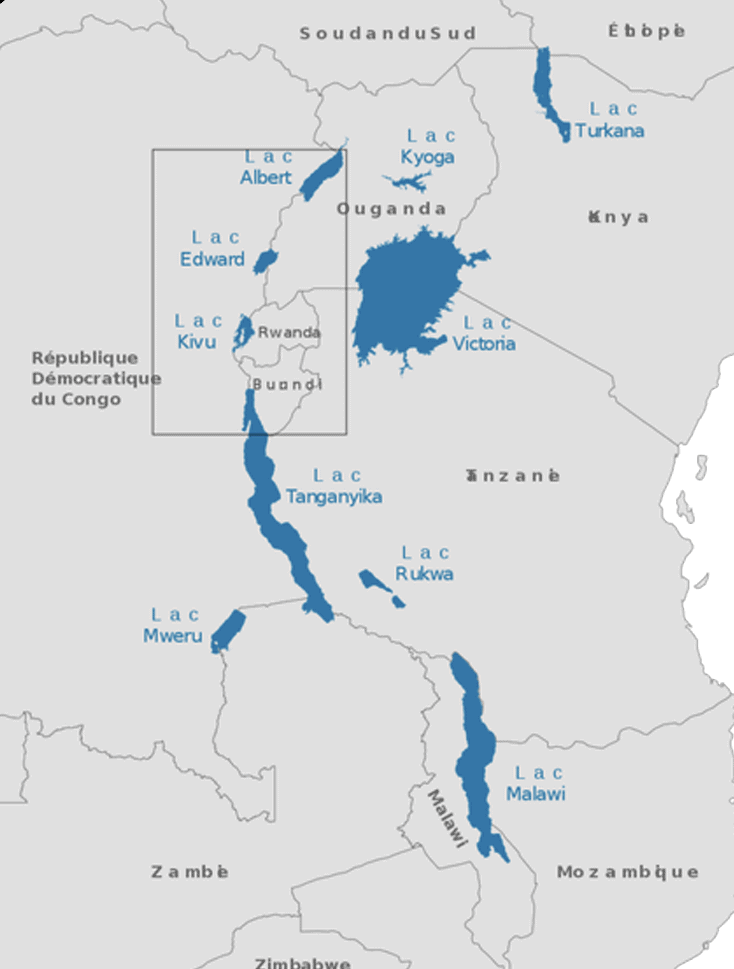
STRUCTURAL FACTORS IN CONFLICT
The Great Lakes are a cluster of interrelated crises that reinforce each other, with one consequence becoming a cause and vice versa. The resulting conflict is more or less open, more or less overt, but when one area of the subregion falters, the others are immediately affected, particularly as refugees crossing the porous borders put even more pressure on already precarious situations, to the point of tipping them over. The demographic factor is fundamental in a context of very strong pressure on land and agricultural resources, which translates into tensions over identity. Rwanda is particularly cramped, with a density of 459 inhabitants per km2 [8], as is Burundi (422 inhabitants per km2). In Uganda, demographic growth is very strong, but the territory is much larger (164 inhabitants/km2). Lastly, population density in the Kivus is around 100 people/km2, and even lower in Ituri (70) [9]: the theory of communicating vessels feared by the Congolese people is easy to understand (see below). An aggravating factor is the generation gap between the vast majority of the population [10], who are very young, and elderly leaders [11], who monopolise positions of power and the resources that go with them, in ‘eating-cracies [12]’ where ‘politics of the belly [13]’ reigns, with the notable exception of Rwanda. 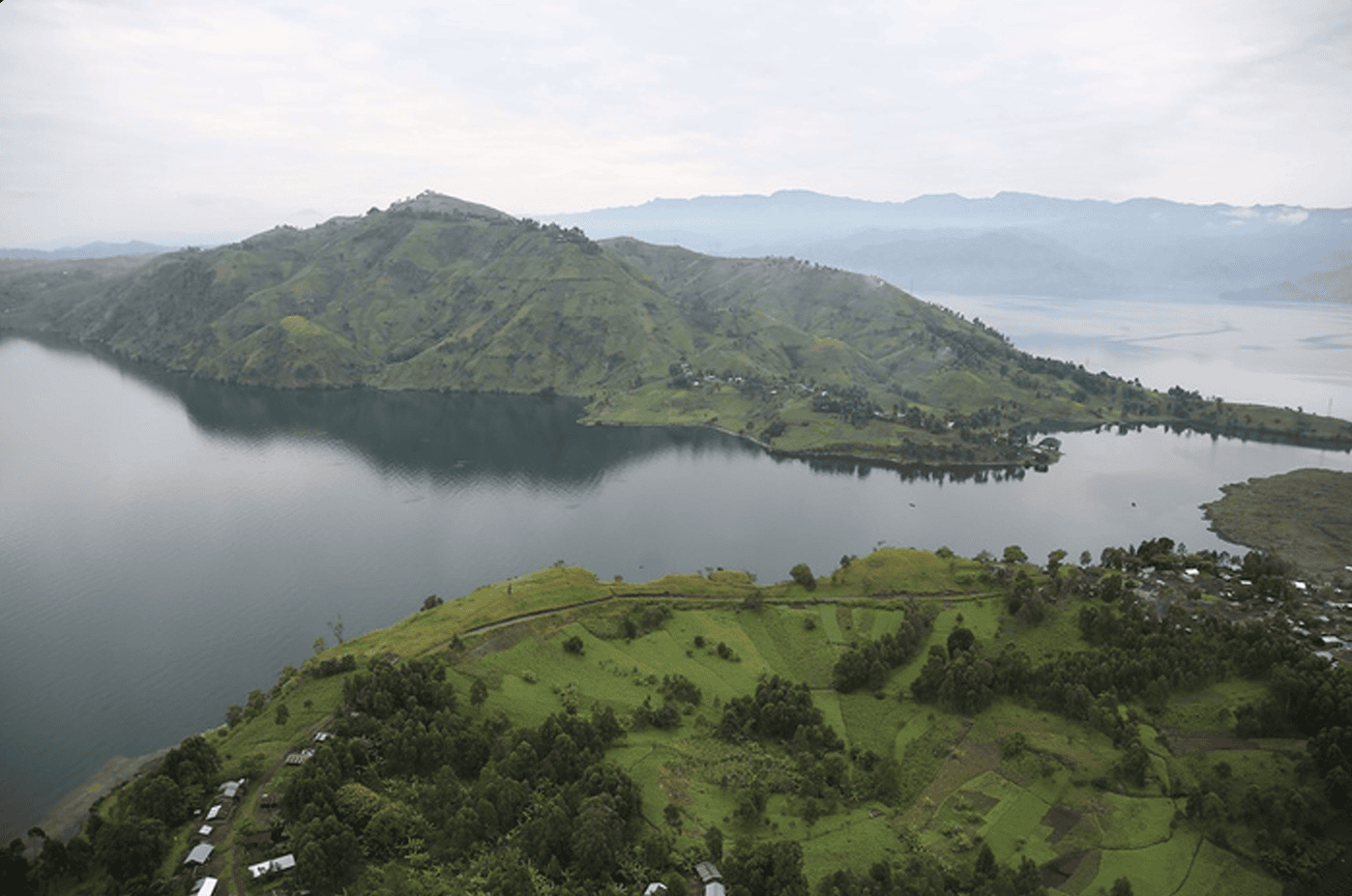
THE FANTASTIC FOUR
Against a backdrop of chain reactions and mutual destabilisation, it is difficult to study each country in isolation, especially as we are not interested in their internal situation independently of their neighbours. However, a few details on Burundi and Uganda are worth mentioning for the sake of clarity, before focusing on the heart of the problem, the Rwandan question and the crystallisation in eastern Congo.
BURUNDIAN DERELICTION
The country's situation has deteriorated so much in recent years, both in terms of development and security, that observers continue to be surprised by its capacity for self-sabotage. Its ‘elites’ are primarily responsible for this, and the mirror effect this produces with Rwanda is cruel. Even if recent political developments in the country are not necessarily linked to its neighbours in the ‘3K’ [28], the myth of the resurrection of the Belgian colony of Ruanda-Urundi under Rwandan impetus is fuelling immense mistrust among the Burundian people and leaders alike [29]. The very tense internal political situation and the opposition to President Pierre Nkurunziza also had a strong impact on Rwanda, as the two countries are very similar in terms of ethnic and political issues. Many Rwandan refugees found refuge in Burundi and vice versa, while others from both countries found themselves in neighbouring Kivu. These exchanges of populations with strong resentments against each other are a source of great tension. However, the arrival in power of Évariste Ndayishimiye and the unexpected death of Nkurunziza on 8 June 2020 could lead to a calming of relations with Rwanda. After years of tension fuelled by mutual accusations of destabilising the current government, the foreign ministers of the two countries met on 20 October 2020 to begin talks aimed at normalising their relations. In addition, 3,000 Burundian refugees from the Mahama camp (in Rwanda) returned to their country this year, the largest wave of returns since the 2015 crisis [30].
UGANDAN FRUSTRATIONS AND AMBITIONS
Paul Kagame helped Yoweri Museveni seize power in 1986, then Museveni allowed Kagame's troops to use his country as a rear base ahead of the offensive on Kigali in 1994. When studying their relationship, we need to take into account the psychology of these two gang leaders, ‘M7’ (Museveni's nickname) on the one hand and the ex-young Kagame on the other, who owe each other so much and know each other so well: fratricidal quarrels are the most difficult to resolve. Rwanda now accuses Uganda of supporting rebels hostile to it, while Uganda accuses Rwanda of maintaining a network of spies within its institutions and army. These respective accusations have led to the Rwanda now accuses Uganda of supporting rebels hostile to it, while Uganda accuses Rwanda of maintaining a network of spies within its institutions and army. These respective accusations led to the closure of their land border in early 2019. 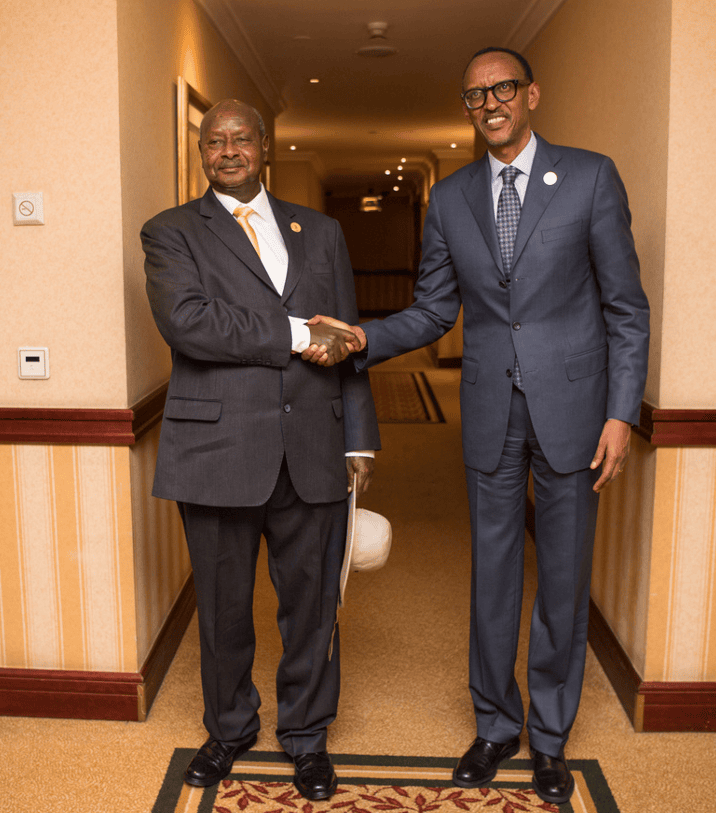
THE RWANDAN QUESTION
In power for 26 years, Kagame can still be re-elected for two five-year terms (until 2034), following an amendment to the constitution. He also has total control over the legislature, the judiciary and, of course, the Rwandan armed forces. Efficient, well-trained and wellequipped [36], they are totally loyal to the regime. Under international perfusion (like its neighbours), the country benefits from the sense of guilt of Western donors and the UN. It also has a certain moral authority in Africa, which is respected, envied and feared. From a realpolitik point of view, the Rwandan democrature is producing convincing results in terms of development and stability. Given the situation that Kagame inherited on coming to power, the expression ‘Rwandan miracle’ does not seem overrated. In the face of criticism of the treatment meted out to opponents, Kagame insists on the need to build a stable and solid Rwanda after the trauma of genocide. Two stumbling blocks remain: firstly, genuine reconciliation between Hutus and Tutsis is still a long way off, and secondly, the country's total population has returned to pre-genocide levels. In the most densely populated country in Central Africa, where every hill is cultivated down to the last plot, fourfifths of the population live from agriculture, but there is virtually no uncultivated land left [37], and the fertility rate remains high. In addition, the Hutu refugees who fled at the end of the genocide are being forced to return to Rwanda by their host countries, which since 2013 have no longer been obliged to grant them refugee status. This return further increases demographic pressure and raises the risk of a resurgence of community tensions. In December 2018 and October 2019, two attacks took place in the country, resulting in the deaths of 16 civilians and 19 rebels (killed by the army's response). The groups responsible for these attacks are the FDLR [38] (composed mainly of Hutus who took part in the genocide, but also of members too young to have experienced it) and the RNC [39] (mainly Tutsis who disagree with Kagame's policies), allegedly supported by Burundi [40] and Uganda to destabilize Kagame's regime, another reason for the strong tensions between Rwanda and these two countries. Moreover, Kagame viewed the understanding between Pierre Nkurunziza and Museveni with suspicion, seeing it as an alliance against his regime. He accused Museveni of deliberately allowing the mediation between Rwanda and Burundi to fail, despite being the official mediator. As mentioned earlier, the unexpected death of Nkurunziza and the rise to power of Ndayishimiye could change the dynamics between Kigali and Bujumbura. 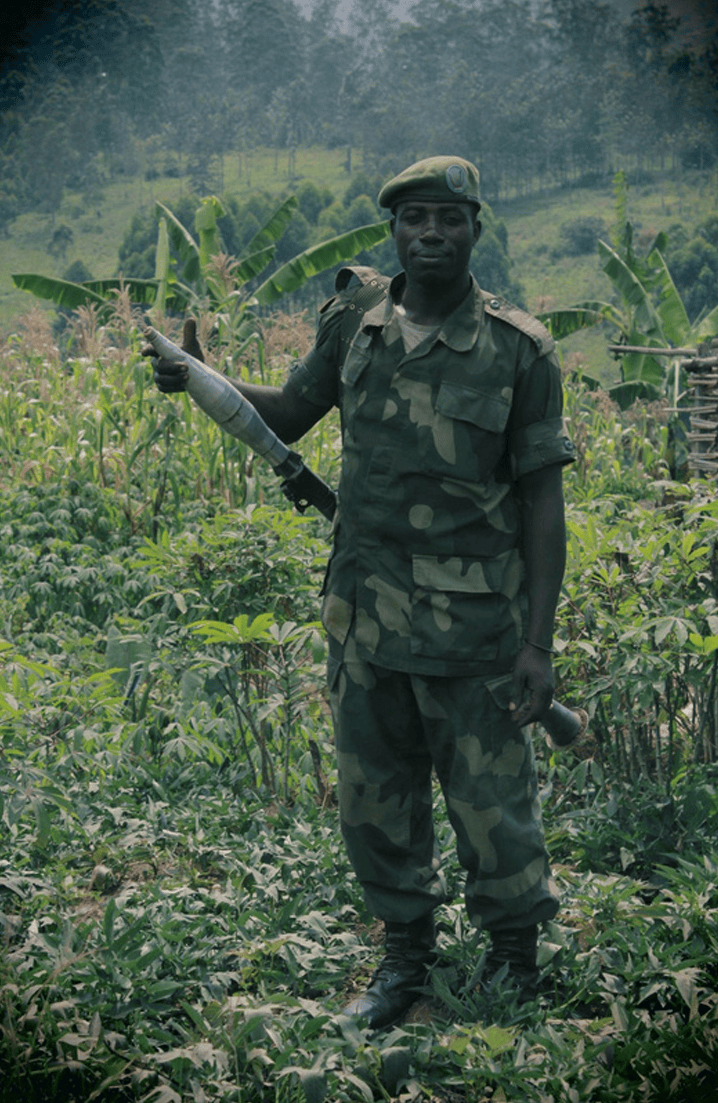
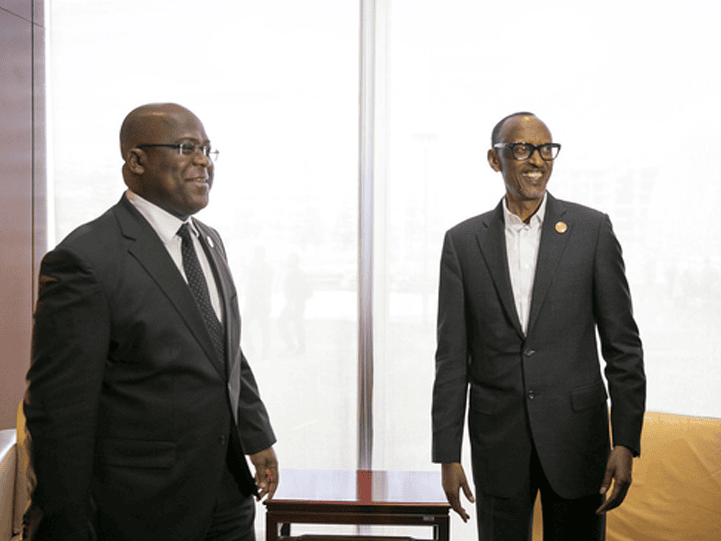
CONGOLESE CRYSTALLIZATION
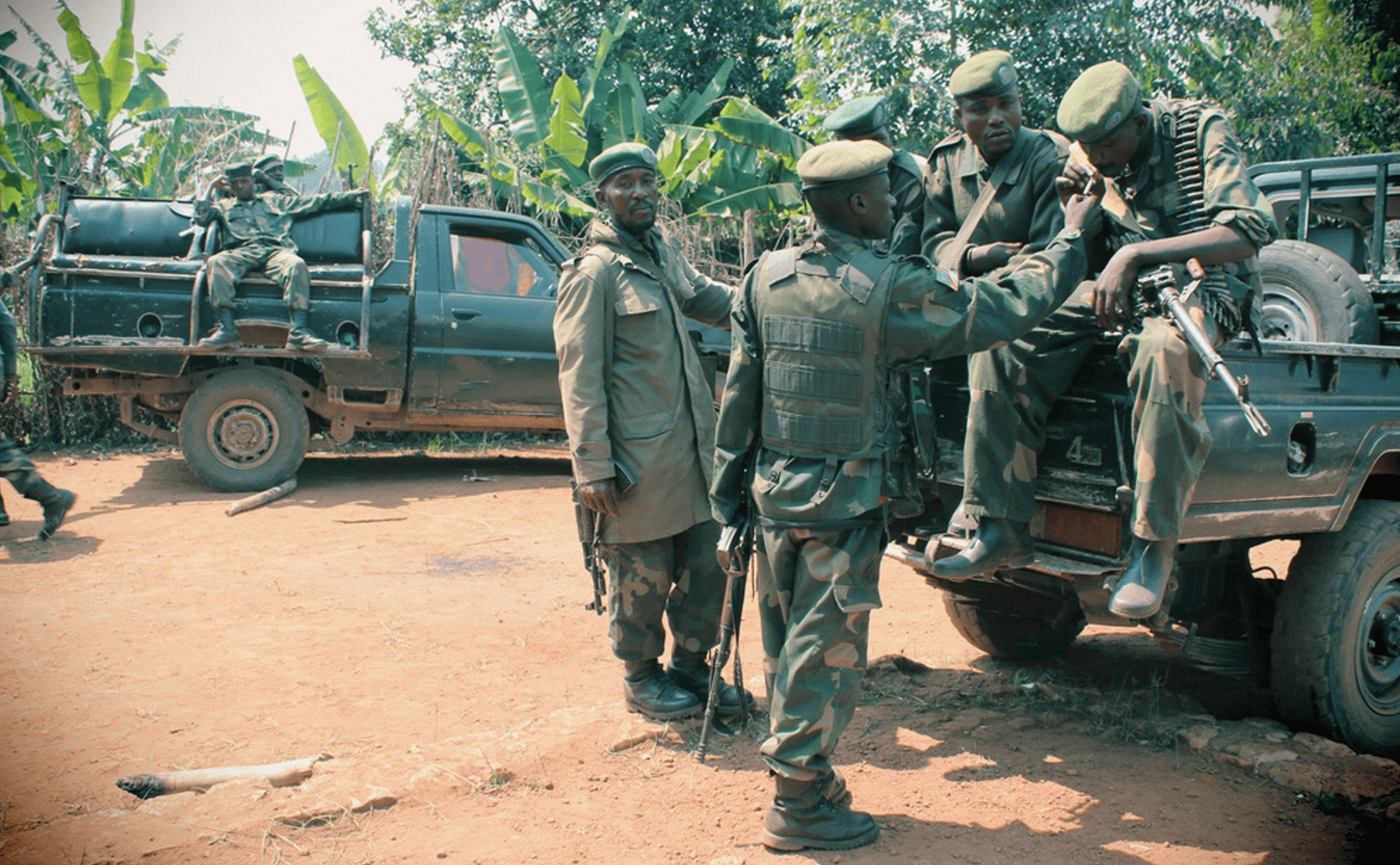
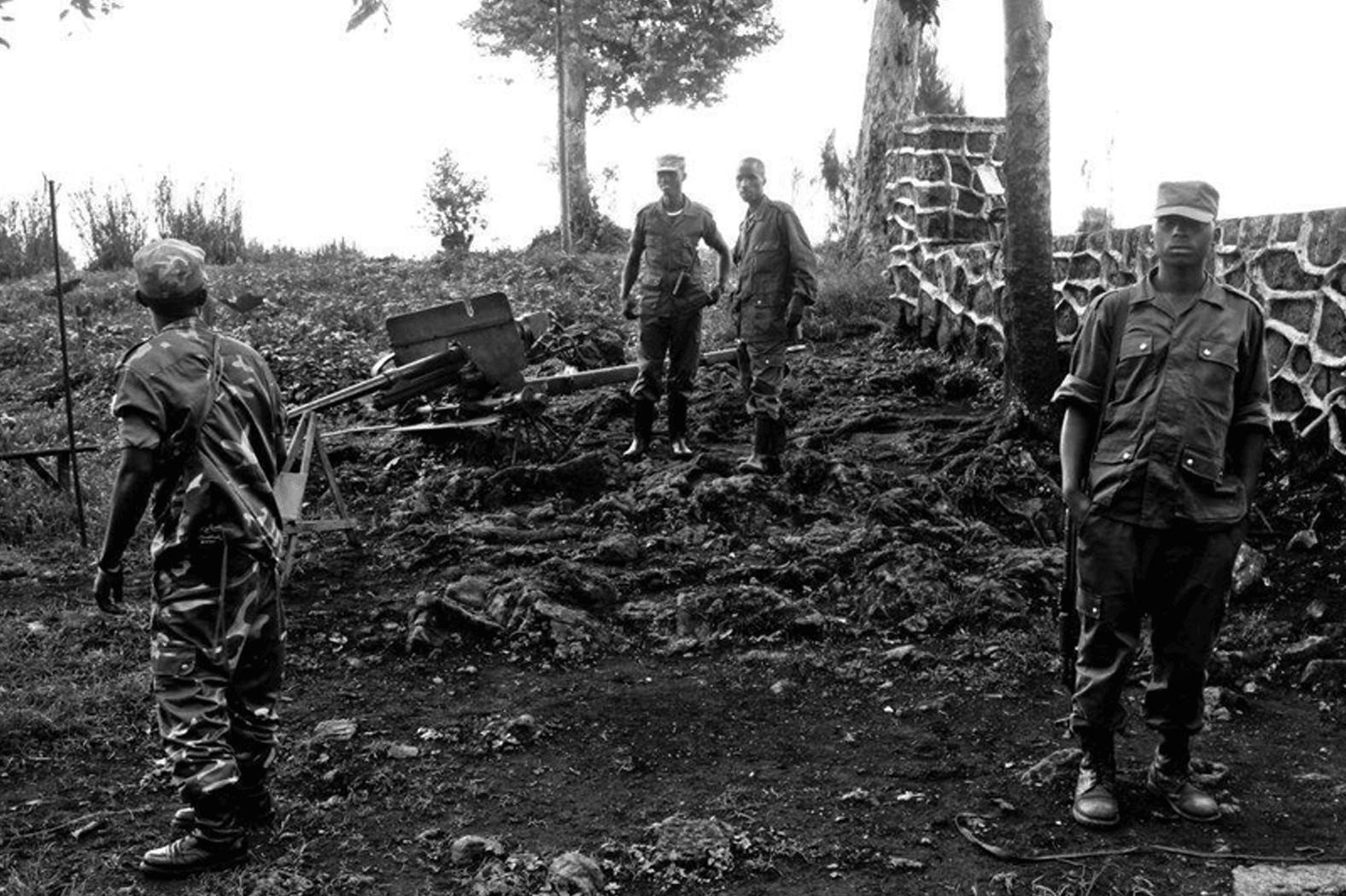
It is in the eastern DRC that the impacts of various regional actors converge, along with the related crises. The three eastern provinces of Congo appear, during certain periods of conflict, to serve as a vast battleground for proxy wars. Tshisekedi can promise whatever he wants, but the eastern provinces remain beyond the control of the state [42] and its army, which is notorious for corruption, human rights violations, and even links with armed groups. The FARDC are clearly part of the problem and are sometimes perceived on the ground as just another armed group. The first and second Congo wars were the humanitarian disasters we know [43], leaving the country even more depleted and trapped in an unresolved cycle of causes and consequences that are difficult (to say the least) to break, leading to the proliferation of ethnically affiliated armed groups. In North Kivu, the land conflict between the Nande, Hunde, and Banyamulenge (Congolese Tutsis with distant Rwandan roots) is explosive. As a minority, the Banyamulenge remain the target of hostility from other communities, seen as occupiers and hunted by Mai-Mai groups [44] incited by ethnic hate speech propagated by politicians. 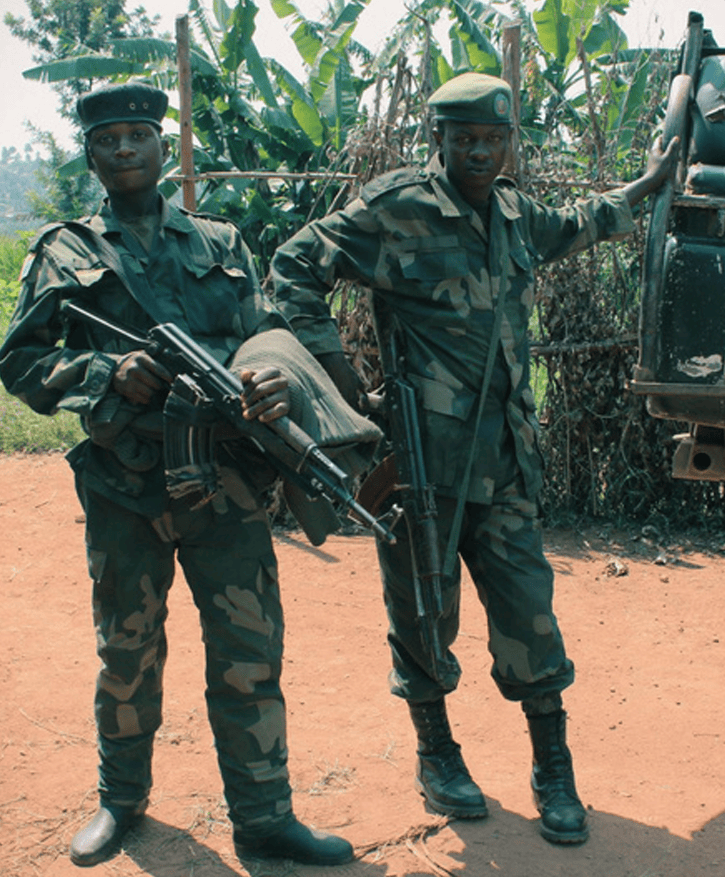
CONCLUSION
In this subregion, as in others, there are conflicts between herders and farmers, driven by growing pressure (demographics) on increasingly scarce resources (erosion and climate change). However, here the consequences of population displacement due to the Rwandan Tutsi genocide, followed by the country’s takeover by the FPR, further exacerbate tensions. Moreover, a Rwandan diaspora was already present in the DRC, and while the xenophobia stemming from this is tragically typical, it is again intensified by the potential for intervention from the small but powerful neighbor. As long as there is Rwandan mistrust of the Congolese chaos that serves as a refuge for hostile forces to this traumatized country, and Congolese mistrust of the small neighbor willing to intervene when it deems necessary, the cycle will continue to perpetuate itself. The grievances of all the actors [54] are legitimate, and the obligation to coexist is inescapable. Thus, one can understand both the indigenous farmer who feels invaded and the farmer of Rwandan origin, settled in the DRC for generations (or even the one more recently displaced by war). One can understand both Kagame’s trauma, walking into a country on the graves of his people, and the frustration of the Congolese giant with clay feet, facing the threat of its neighbor (Rwanda has been a kingmaker, so it is understandable that it is still suspected of expansionist desires [55]). 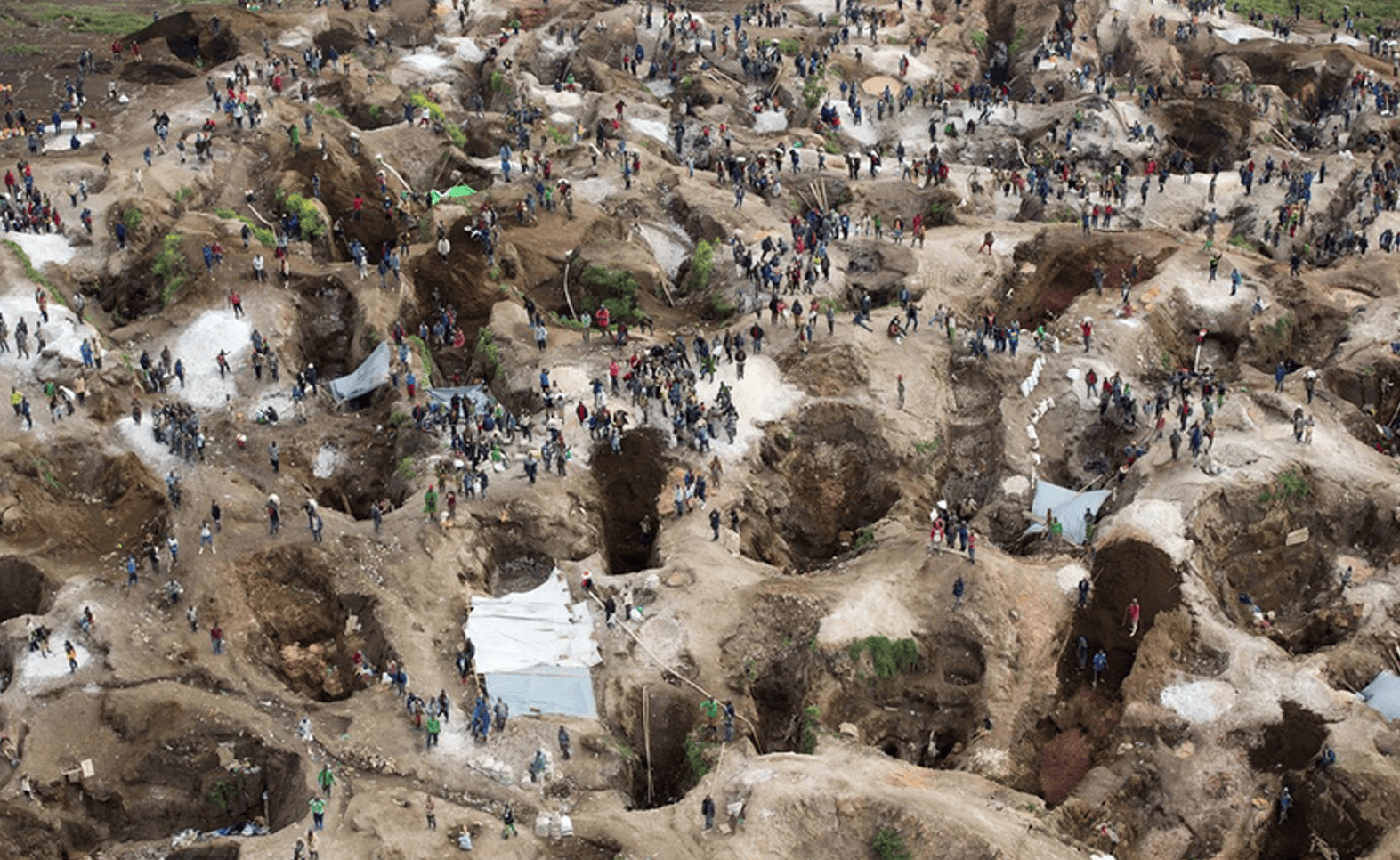
SOURCES
[1] The three largest lakes in the area, from south to north, are Lakes Malawi, Tanganyika, and Victoria (the latter, as large as Ireland, is the source of the White Nile which joins the Blue Nile – originating in Ethiopia – at Khartoum). Other lakes include Mweru, Rukwa, Kivu, Edward, Albert, and Turkana: although smaller, each of them is still five to ten times the size of Lake Geneva. [2] This has exacerbated the Kenya-Tanzania rivalry, which neither the character nor methods of the recently re-elected President Mafuguli, nor border tensions related to the fight against COVID-19, will ease in the medium term. [3] Strengthened by the railway under construction by the Chinese company Afristar. [4] Especially since the pipeline route to transport oil from Lake Albert has been set to the south of Lake Victoria, which is less direct but safer than the route ending at Lamu (Kenya), at the Somali border. [5] And French is being rivaled by English, the official language in Uganda and now Rwanda. [6] The capital of a state that can also be described as failed or predatory, which may be worse. [7] Thus, contemporary Uganda originates schematically from the kingdom of Buganda, populated by Bagandas, speaking Luganda, just as contemporary Rwanda originates from the kingdom of Rwanda (which was even larger at some points in history than the current territory), populated by Banyarwandas, speaking Kinyarwanda. [8] For comparison, 115 in the EU and 105 in France. [9] These figures depend on the sources, and statistical data are very patchy and outdated. [10] In the four countries studied, those aged 0-14 make up 41-47% of the total population. [11] Museveni, for example, came to power 34 years ago. [12] https://www.youtube.com/watch?v=2PnNVn11XdQ [13] According to Bastien François, “the expression, of Cameroonian origin, refers to a conception of the state apparatus seen as a place to access wealth, privileges, power, and prestige for oneself and one’s clan members.” [14] With exceptions, offering hope even if minority, such as the movements Lucha or Filimbi. [15] Coltan, gold, etc., and, recently, oil exploration, with notably the British company Soco in the Virungas or Total in Lake Albert. [16] United Nations. [17] African Union. [18] East African Community. [19] Economic Community of the Great Lakes Countries. [20] World Bank. [21] International Monetary Fund. [22] Rwanda’s situation, being surrounded by hostile neighboring countries, is familiar to it. [23] With the support of MONUSCO, they are gradually resuming bilateral cooperation with the Congolese army (through training of soldiers, provision of intelligence, equipment, and barracks), while supporting Tshisekedi’s diplomatic efforts to facilitate exchanges with his counterparts in the subregion. For while Museveni and Kagame benefited in the 1990s from Washington’s favor, seeing them as the new generation of African leaders, their longevity and style of governance have changed the situation. [24] Thus, Uganda’s diplomatic and economic relations with China continue to strengthen, both as sources of imports and through the growing number of Chinese companies operating in the country. Investments also concern extractive infrastructures, and the Ugandan government seems determined to deepen its relations with Beijing. The risk of over-indebtedness to China is also increasing year by year. Moreover, while 90% of Congolese cobalt and copper is exported to China, it mostly comes from Katanga. [25] DRC, Rwanda, and Burundi being former Belgian colonies. [26] A military mission led by the EU in 2003, under the authority of the UN Security Council, to end fighting in Ituri, in which France played a leading role. [27] Total, in collaboration with the Chinese company CNOOC, is leading a large project (Tilanga) to exploit hydrocarbons in Lake Albert, on the Ugandan side. [28] Kigali, Kinshasa, Kampala. [29] Bujumbura officially accused Rwanda of fabricating the Red-Tabara rebel group, which launched an attack on Burundi on October 22, 2019. [30] In Tanzania, too, Burundian refugees are numerous, mainly in the northwest of the country, especially since the 2015 crisis. On the other hand, most Hutu refugees from post-94 Rwanda have already returned to their home country, in a common policy between the two states. [31] Kagame is now working to change the image of his country, which was long seen as a platform for illegal Congolese mineral trafficking, into a hub for traceability and environmental respect. [32] Uganda People’s Defence Force. [33] Armed Forces of the Democratic Republic of the Congo. [34] Allied Democratic Forces. [35] A lawsuit filed by the DRC in 1999 against Kampala for compensation for its military actions in the country. [36] Since 2010, mainly with Russian-origin equipment. [37] Not to mention soil erosion and climate change. [38] Democratic Forces for the Liberation of Rwanda. [39] Rwandan National Congress. [40] The December 2018 attack was launched from Burundian territory. [41] This support is not unanimous; for instance, François BeyaKasonga, special advisor to Tshisekedi for security, regularly reminds the Congolese president of the frequent and illegal incursions by the Rwandan army. [42] In practice, there is no administrative, security, or other sovereignty. [43] At least 200,000 deaths [source: http://adrass.net/WordPress/wpcontent/uploads/2010/12/Surmortalite_en_RDC_1998_2004.pdf] [44] Militia of Congolese farmers. [45] Azarias Ruberwa. [46] Who revel in the ever-unifying themes of “fifth column” and “Trojan horse.” [47] Supported by Kigali. [48] The FDLR (Democratic Forces for the Liberation of Rwanda) remain a constant nuisance in the region since their creation in 2000, the deadlock being that their return to Rwanda is the official position of the Congolese authorities, which the individuals concerned obviously reject. Paul Kagame admitted without hesitation in a 2001 interview that “from the beginning, we had a problem in Congo: that of former soldiers (ex-FAR) and militias involved in the genocide (the Interhamwe).” [49] The jealousy, which was traditionally that of farmers towards those who owned cattle, a factor of mobility as well as wealth accumulation, is now, it seems to us, compounded by that of the Congolese citizen before Rwanda’s successes. In front of “the Switzerland of the Great Lakes,” former Zairians might wonder what their Kivus would look like under Tutsi administration? [50] But apparently significant enough to fuel fears, conspiracy theories, resentment, and xenophobia, as seen in Ivory Coast against Sahelians or in South Africa against Zimbabweans, Mozambicans, Nigerians . and Congolese. [51] Became independent in 2011, with the results that are known. [52] Disarmament, Demobilization, Reintegration. [53] Despite Angolan attempts. [54] Except those of the FDLR and Interhamwe, of course. [55] Referencing the rise to power of Laurent-Désiré Kabila in 1997. The Congolese also know that the Rwandan army can enter their country without encountering much resistance: their sense of humiliation in this regard is comparable to that of Arab countries towards Israel (which, it is true, benefits from US support). [56] Migratory flows also head, albeit to a lesser extent, to the already overcrowded slums of large regional cities, as well as to South Africa. [57] Roland Pourtier, geographer and specialist in contemporary Africa, who analyzed the effect of rumor in the context of ethnic tensions in the Kivus.
Support Fondemos
Every donation helps us continue producing independent analysis.