INTRODUCTION
Venezuela and Mozambique share the same political tragedy: that of an opposition which, despite its courage and perseverance, comes up against a wall of authoritarianism and impunity. For years, these two countries have been dominated by regimes that have stripped their institutions of all democratic substance and locked up the political game. In Venezuela, since the accession to power of Hugo Chávez in 1999, followed by his successor Nicolás Maduro in 2013, the country has experienced an authoritarian drift marked by electoral fraud and systematic repression of the opposition. Similarly, in Mozambique, the Mozambique Liberation Front (FRELIMO) has clung to power since independence in 1975, with elections regularly marred by irregularities and the marginalisation of opposition parties. Faced with this seizure of power, the opposition and civil society have responded with exemplary mobilisation, persevering and defying oppression. However, these fierce struggles did not lead to positive change. This impasse raises a fundamental question: why, despite popular determination and the scale of the sacrifices made, are these regimes able to maintain themselves? What can be done when peaceful resistance comes up against implacable repressive mechanisms and an inactive international community?
AN EXEMPLARY MOBILISATION
The power of mass movements
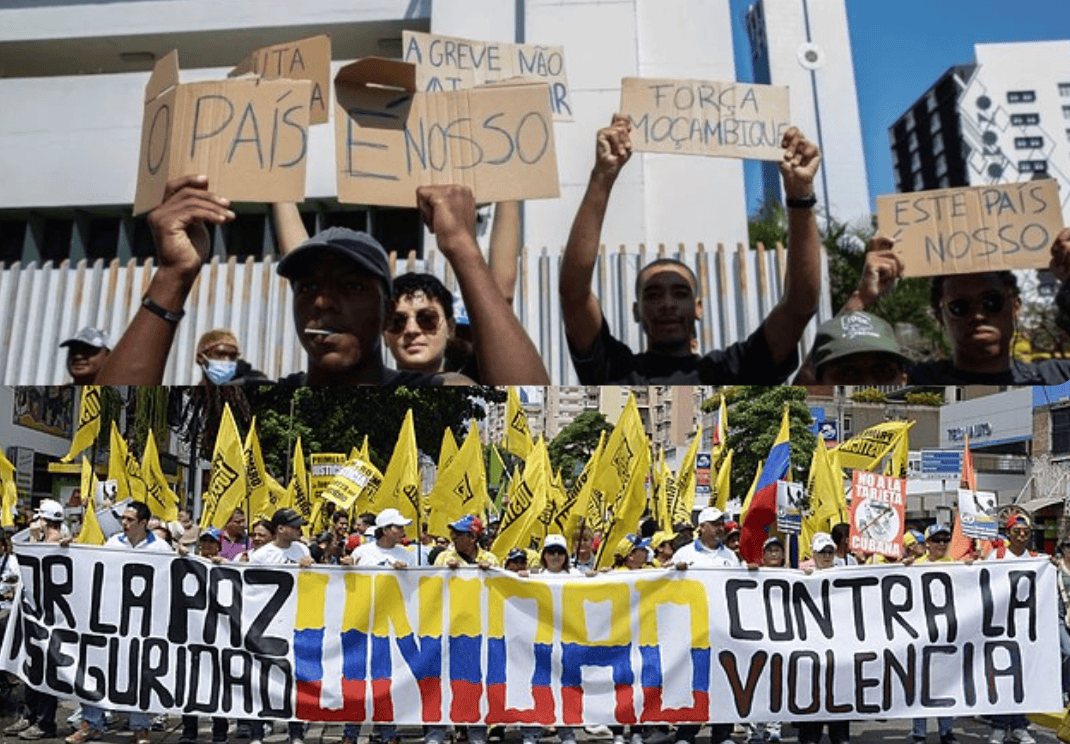
In both Venezuela and Mozambique, the street has become the theatre of uncompromising protest. In Venezuela, the 2024 protests, triggered by yet another fraudulent presidential election, mobilised thousands of people in the streets of Caracas and across all the country's major cities. According to figures compiled by the Observatorio Venezolano de Conflictividad Social (OVCS), 915 demonstrations against the election results were reported across the country. These rallies mobilised hundreds of thousands of people. 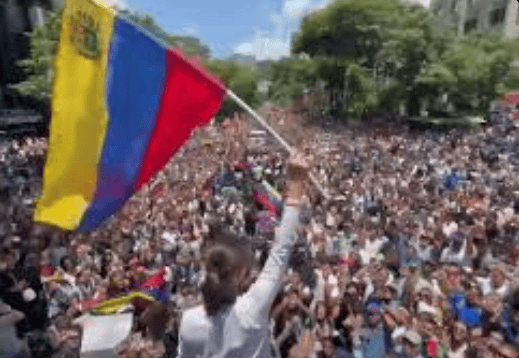
Figures head and symbols of the democratic struggle
Every political struggle is embodied through emblematic figures. In Venezuela, María Corina Machado has become the face of an opposition that the regime is trying to crush: arbitrarily arrested in September 2024, she embodies the price of courage in the face of authoritarianism. 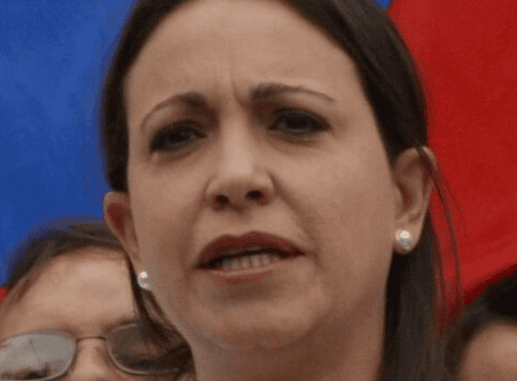
Citizen involvement in election monitoring and the documentation of abuses
In these repressive environments, civil society plays a crucial role. In Mozambique, the Decide (Dignidade, Cidadania e Desenvolvimento) platform documents electoral fraud and human rights violations, providing an essential digital counter-power, particularly during the 2019 general and 2023 municipal elections. In 2019, Decide recorded more than 300 cases of electoral fraud, including ballot box stuffing and irregularities in the electoral rolls, mainly in the provinces of Zambezia and Sofala. 
After the elections, the international community was divided. Some countries, such as the United States, Argentina, El Salvador and several members of the European Union, have expressed their support for Edmundo González, whom they consider to be the legitimate president. Others, on the other hand - such as China, Russia and Iran - have refused to recognise the irregularities of the election and continue to maintain close relations with the Maduro regime. 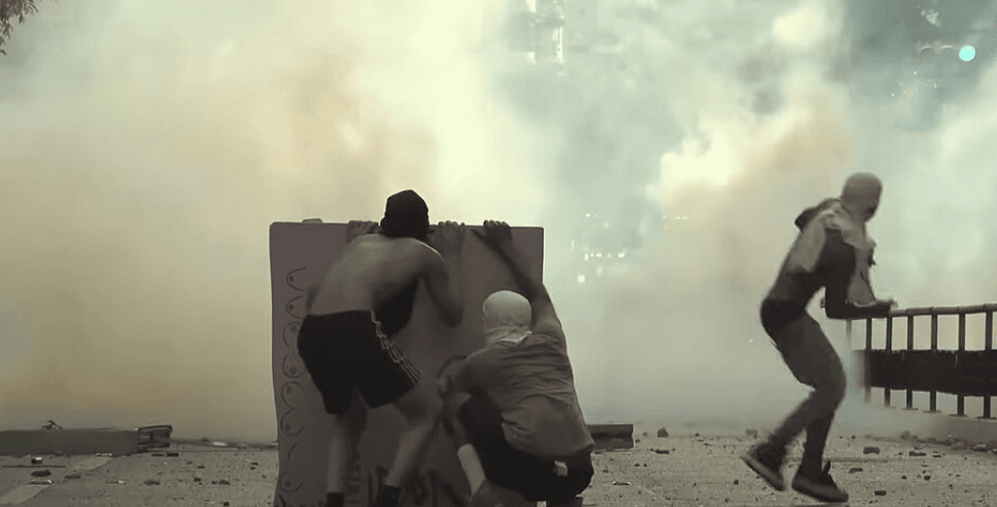
IN THE TEST OF STRENGTH
The brutality of the repression: deaths, disappearances and political prisoners
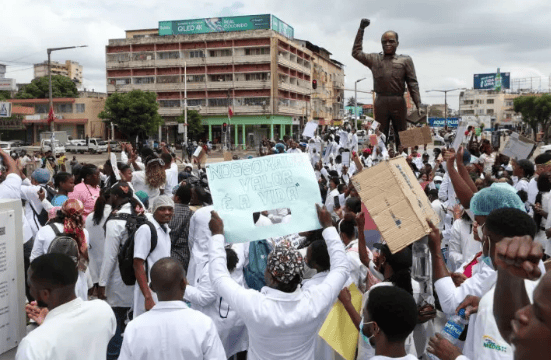
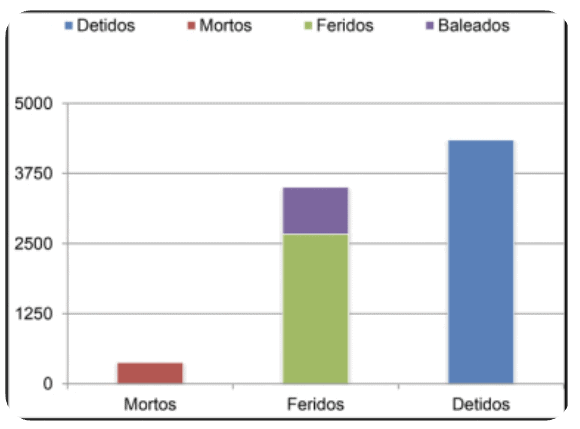
While the popular mobilisation is exemplary, the response of the regimes in place has been implacable. In Mozambique, the repression has left at least 360 people dead, according to the local NGO Plataforma Decide. The security forces have used live ammunition against peaceful demonstrators, and numerous cases of forced disappearances have been reported. Several arrested activists were found dead in suspicious circumstances, raising fears of extrajudicial executions. In Venezuela, 24 protesters were killed between July and December 2024, 3 people died in prison, and more than 2,000 people were arrested. The security forces used tear gas, rubber bullets and sometimes live ammunition to disperse the crowds. In the days leading up to Nicolas Maduro's inauguration, there was an increase in targeted persecution of the families of leading opposition figures. 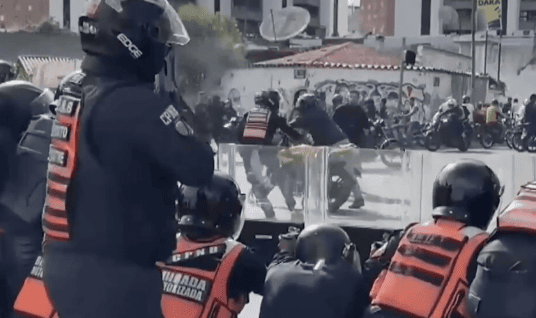
Biased electoral processes and the exclusion of opponents
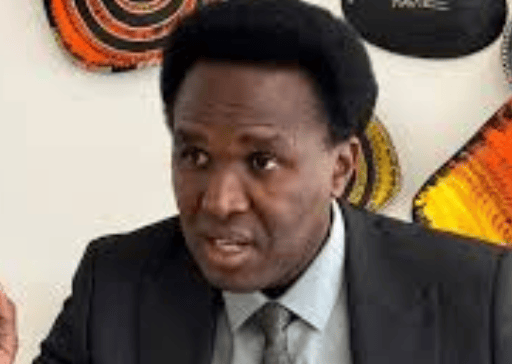
The democratic veneer that these regimes seek to maintain is fooling no one. Elections, far from being instruments of alternation, have become sham elections legitimising the continuity of power. In Mozambique, Venâncio Mondlane was not even invited to the official consultations of March 2025, which provide for a revision of the Constitution, demonstrating the systematic exclusion of the opposition. Nevertheless, he finally met with the president to initiate an agreement to end the violence at the end of March 2025. 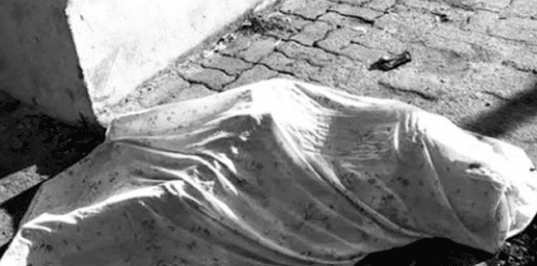
CONCLUSION
Venezuela and Mozambique illustrate the impasse in which democratic struggles can become bogged down when they come up against ruthless authoritarian regimes and a lack of decisive external support. While popular mobilisation commands admiration, it does not stand up to the unpunished use of force by authoritarian regimes, and seems doomed to run out of steam without increased international pressure and a more effective strategy to bring the powers that be to heel. They may have the support of the people, the symbols, the documentation of human rights violations and the support in principle of the international community, but they cannot break through the wall of violent repression that stands in their way. What lesson can be learnt from this? Recent history shows that successful democratic transitions often reach a tipping point: the question remains as to how this can be achieved in these two countries, where repression, political exclusion and international inaction leave little room for hope, and raise the question of the effectiveness of peaceful opposition methods.
SOURCES
- Human Rights Watch, Mozambique: Violent crackdown on post-election protests, 29 October 2024
- Foro Penal, Report on the repression in Venezuela, year 2024, 24 February 2025
- Le Monde, In Venezuela, with the opposition to Maduro silenced, former presidential candidate Edmundo Gonzalez leaves the country, 8 September 2024
- Le Monde, ‘In Mozambique, electoral unrest has turned into a challenge to the regime’, 27 December 2024
- Le Monde, In Mozambique, the president held talks with his main opponent after months of post-election violence, 25 March 2025
- Conflictividad Social en Venezuela in 2024, 6 February 2025
- Amnesty International, Mozambique. There must be an investigation into reports of more than 300 unlawful killings committed during the repression of post-election protests, 27 February 2025
Support Fondemos
Every donation helps us continue producing independent analysis.